Bedak sejuk, a trusted beauty secret of our grandmothers

At dusk, when women with white sceptre-like masks ventured out of their homes to purchase a snack or visit neighbours, children would gawk while adults would shrug their shoulders in indifference.
Continue Reading
Timothy Tye's journey: preserving Penang Hokkien through an online dictionary
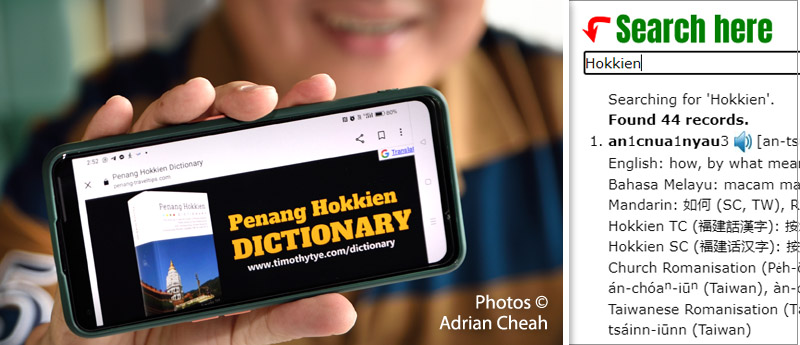
I am filled with immense pride to witness the presence of unsung heroes in Penang, individuals driven by a shared belief in uplifting their community. Among them stands Timothy Tye, a beacon of inspiration. Since its inception on 5 January 2003, his Penang Travel Tips website has provided invaluable information on Penang (now extended to cover Malaysia as well as Singapore). Timothy is not only a prominent foodie and YouTuber but is also a passionate advocate for the preservation of Penang Hokkien.
Continue Reading
Proclamation Of Malaysia, The Nation's Very Own "Birth Certificate"
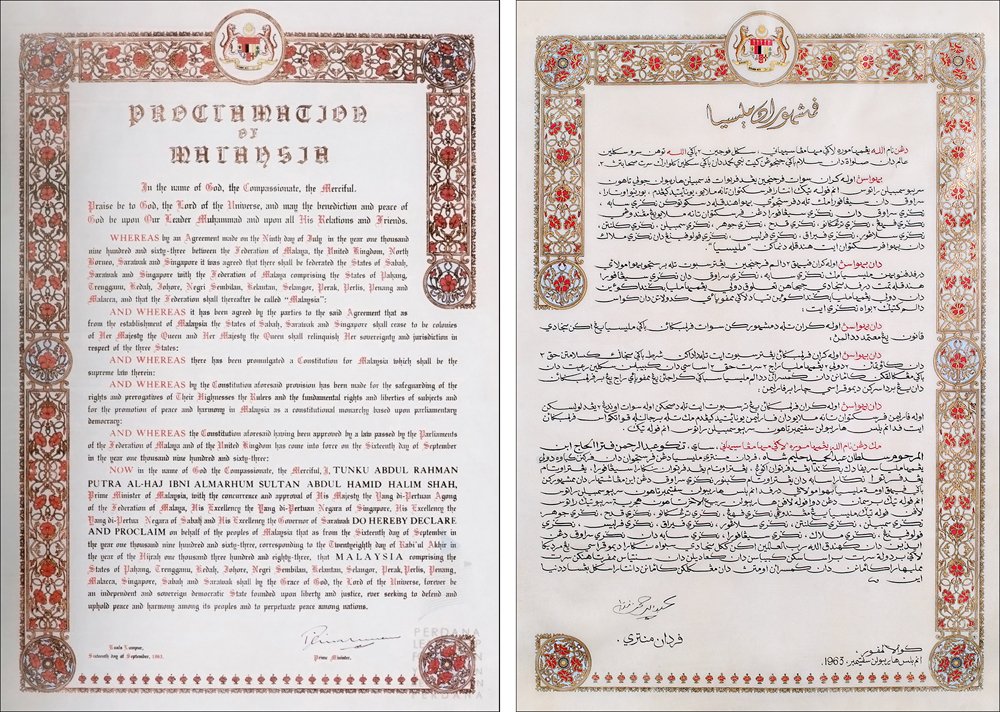
On 16 September 1963, Malaysia was born as a new federation, bringing together the Federation of Malaya, Sabah, Sarawak and Singapore. According to Arkib Negara Malaysia, the Malaysia proclamation ceremony was held at Stadium Merdeka, Kuala Lumpur, on 16 September 1963, where Tunku Abdul Rahman Putra read the proclamation before more than 30,000 people.
Continue Reading
SCPA celebrates 105 Years of History, Heritage, and Heart
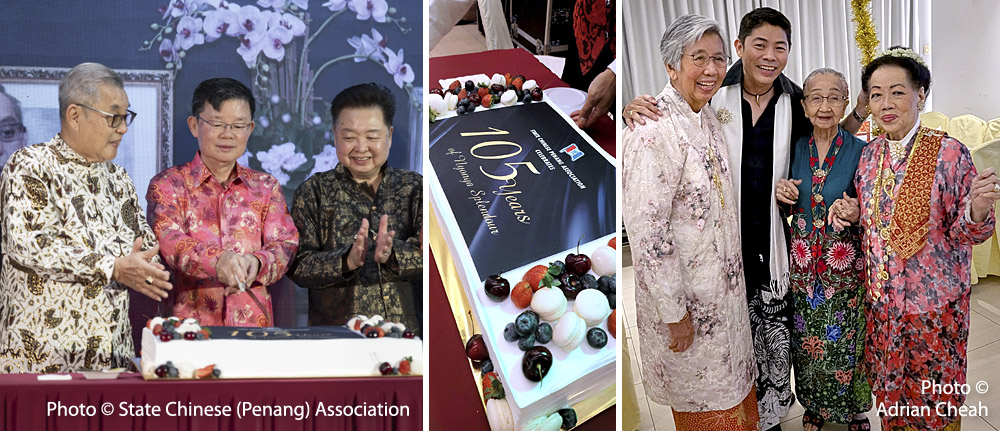
On Sunday, 21 December 2025, the State Chinese (Penang) Association marked its 105th Anniversary with a gala dinner, held on Tung Chik, the Winter Solstice. In Chinese tradition, this is a day of reunion, renewal and reflection, lending the occasion a deeper resonance. It was one of those rare evenings where a significant milestone, a deep love for culture, and the warmth of community came together to honour continuity, belonging, and memory carried across generations.
Continue Reading
Understanding “Untuk Negeri Kita”: the making of Penang's state anthem

The score of "Untuk Negeri Kita" by Awaluddin Zainal Alam.
For more than half a century, the state anthem, "Untuk Negeri Kita" (“For Our State”), has been more than just a ceremonial tune. For me, it was the song that opened every school assembly at La Salle Primary School and later echoed through the colonial hallways of St. Xavier's Institution during my secondary years. We sang it with pride, unaware of the layered history behind its creation.
Continue Reading
16 September 1963 – A Nation is Born

On the historic midnight of 16 September 1963, a profound and unforgettable chapter in our nation's story began. The birth of Malaysia was more than just a political achievement; it was the realisation of the hopes, dreams, and determination of millions across the land. From the joyful streets of Penang and the colourful festivities in Sabah and Sarawak, to the symbolic ceremonies in Singapore, we stood united in the spirit of brotherhood, ready to embrace a shared destiny.
In the words of our beloved Bapa Malaysia, Tengku Abdul Rahman Al-Haj, "we have come together through our own free will and desire in the true spirit of brotherhood and love of freedom." Let us take a step back in time and read about this historic moment published in The Straits Times on Monday, 16 September 1963.
Continue Reading
“Jiwa Merdeka”—embracing freedom with a unified spirit
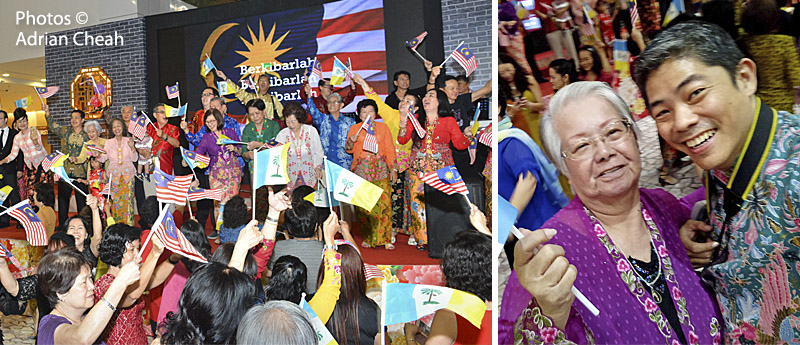
Malaysia's Independence Day, observed on the 31 August, is far more than a mere historical commemoration; it embodies the very soul of a nation. Known as Merdeka Day, this significant occasion marks not only the moment the country gained its freedom but also the genesis of a nation that, despite its rich diversity, strides forward as one unified people.
Continue Reading
The story behind the universal stripes of the Buddhist flag

The Buddhist flag is a common sight in Buddhist communities today, often seen hanging from temple ceilings or columns indoors, or flying high from flagpoles.
Continue Reading
"Looking After the Ashes" – unravelling the enigmatic Chinese Peranakan world of taboos and traditions

I have always stayed away from horror stories, particularly those that announce their intentions with blood and gore splashed across the cover. We are told never to judge a book by its cover. However, after more than three decades as an art director, I have always believed that a cover has a responsibility. It must set the tone, stir curiosity and, ultimately, invite the reader in.
Continue Reading
"Inspirations from the Southeast – Penang, Malaysia" is a compelling documentary that deeply touches the heart

On 23 July 2003, I attended the documentary screening of "Inspirations from the Southeast – Penang, Malaysia" at GSC Cinema in Gurney Drive. This was the last of three screenings, part of George Town Festival and admission was free!
Continue Reading