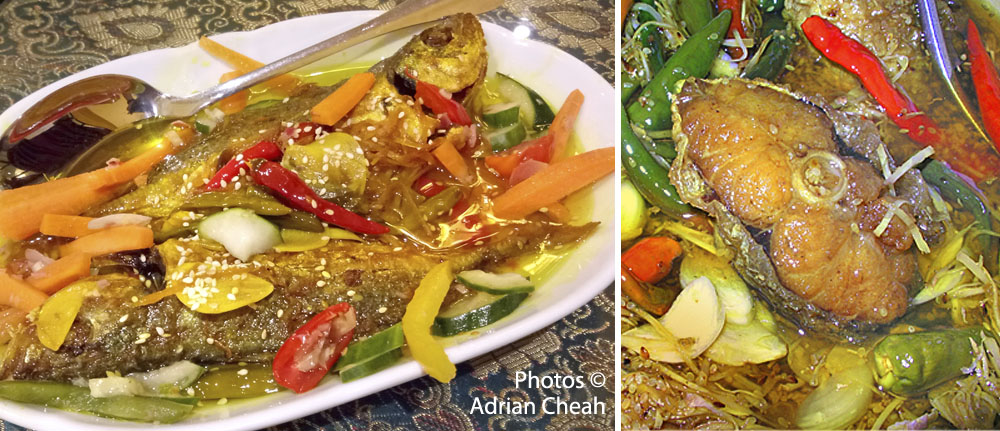
Make your own Acar Awak (spicy mixed vegetable pickle)
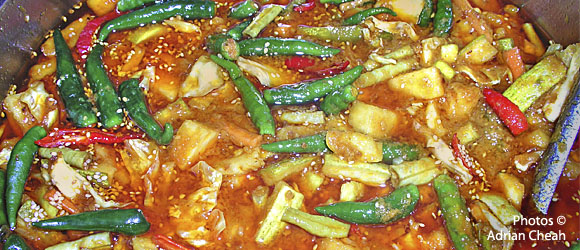
A crunchy and aromatic dish concocted of mixed vegetables infused in a rich and spicy gravy garnished with crushed groundnuts. This dish acts as an appetiser in any meal. It adds zest to a plain dish of 'economy' fried bee hoon.
Continue Reading
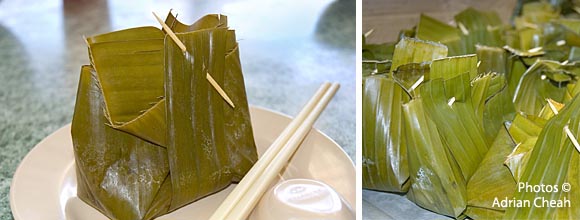
Nasi lemak – a parcel of Malaysian goodness

A favourite breakfast dish for most Malaysians is Nasi Lemak – something which transcends the often-tenuous ethnic boundaries in this multi-racial country, as Malays, Indians and Chinese, all love it!
Continue Reading
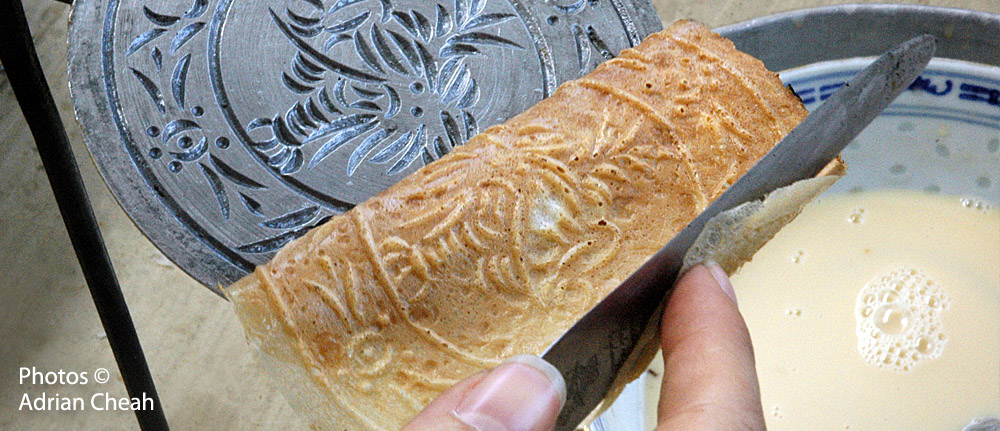
Roti Jala (net crepes) are simply irresistible with curry chicken and potatoes
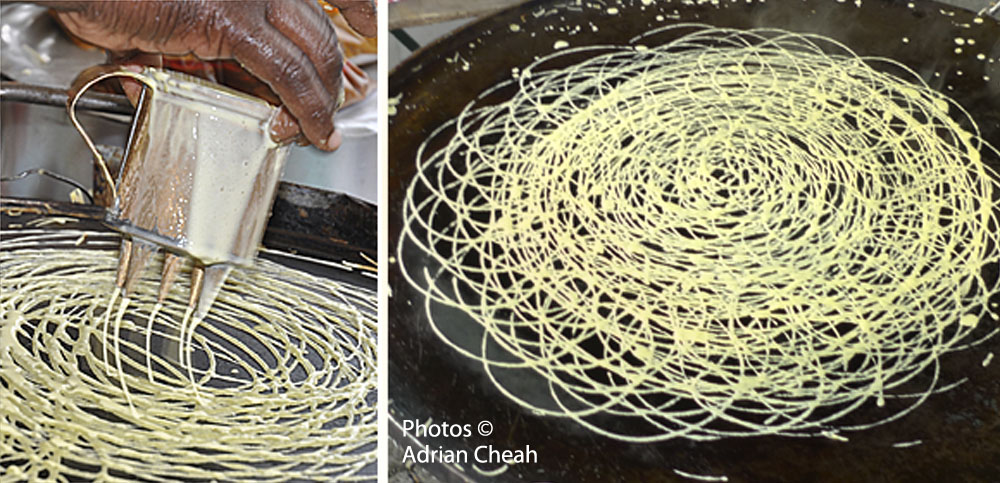
If you are a tourist in Penang during Ramadhan, you have to add the Ramadhan bazaar to your list of must-see places. The month-long Ramadhan bazaar (opens from 3:30 – 7:30 pm) offers a wide variety of Malay specialities and it is a wonderful market to scout for delicious treats. Roti Jala is something I will usually buy among many others.
Continue Reading
Fanning the flames of satay

Satay is an example of how Penang cuisine was greatly influenced by the Arabs who came here to trade from the Middle East. Some say that this dish has Turkish roots. Be that as it may, satay has been available in Malaysia for many years already and is synonymous with Malay cuisine.
Continue Reading
Fresh and colourful Nordic cuisine
We have a better understanding of what the Vikings ate through archeological finds. Here are some examples of food species excavated from Dublin during the Viking age: fish – cod, ling; shellfish – cockles, mussels, oysters, scallops; cereals – wheat, rye, oats, barley; fruits – blackberries, apples, strawberries, sloes, elderberries, cherries, plums, hawthorns, mountain ashes, rose hips; vegetables – nettle, brassicas, celery, carrot, radish, fennel; legumes – peas; nuts – hazelnuts; and others including black mustard, poppy seeds and rapeseeds.

The fresh and colourful Nordic salad is served on a rectangular slate with Hollandaise sauce. The shallots infused with vanilla and pickle vegetables are memorable.
Continue Reading
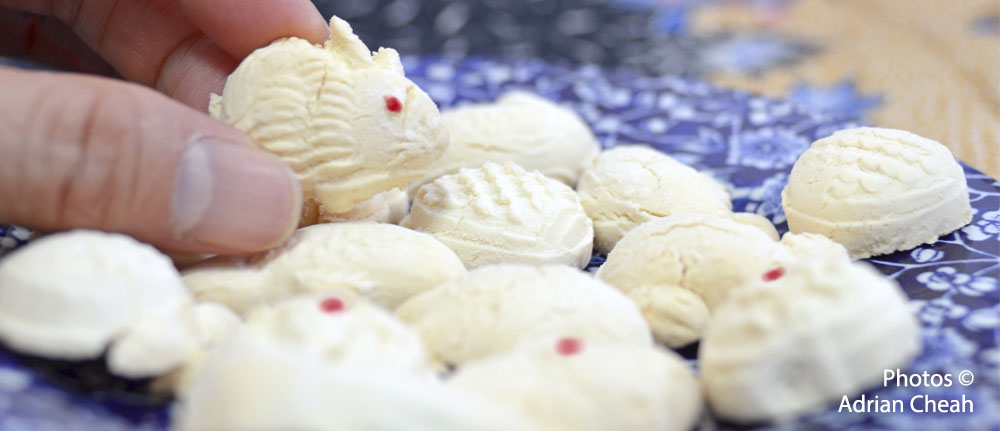
Spongy Kuih Bahulu recipe

Kuih Bahulu (also known as Kuih Baulu or Kuih Bolu) is a perennial favourite among Malaysians of all ages. In Hokkien, it is called Kay Nui Koh. It is a mini light and fluffy sponge cake made from eggs, flour and sugar. It has a slightly crusty outer layer with a soft and fluffy inside, quite similar in taste and texture to a French Madeleine. However, when compared to many western cakes, Kuih Bahulu is much lighter in texture and has a subtle sweetness.
Continue Reading