Discovering Zhejiang Cuisine at Longjing, Gurney Drive
I have often wondered about my paternal grandfather, Cheah Siang Tee, a man I never met or even seen in a photograph. Yet I carry his surname, and with it, many unanswered questions. There is so much I would like to know about him, especially the flavours he loved and the comfort foods of his time.
Chinese cuisine is truly a vast and all-encompassing world of its own. Shaped by geography, philosophy, and centuries of evolution, it unfolds across regions like a living atlas of culinary wonder. From the scholarly restraint of Jiangnan to the fiery confidence of Sichuan, from the maritime delicacy of Fujian to the refined precision of Cantonese kitchens, each tradition speaks in its own dialect of flavour. And Penang, shaped by a rich history, is one of the fortunate places beyond China where fragments of this immense culinary inheritance still live and breathe.
When Longjing opened its doors in Penang in January 2026, it brought an entirely different culinary sensibility into an already layered food landscape. Originating from Hangzhou in China’s Zhejiang province, its cuisine is rooted in the Jiangnan tradition, long associated with river towns, scholarly culture, and a way of cooking that values freshness, seasonality, and subtle balance over intensity or excess. Zhejiang cuisine is shaped by its rivers and the rhythm of the seasons: freshwater delicacies, slow-braised meats infused with soy, wine and sometimes even tea to achieve nuanced flavours. In Hangzhou’s culinary tradition, ingredients take centre stage, and their essence is allowed to unfold gradually.
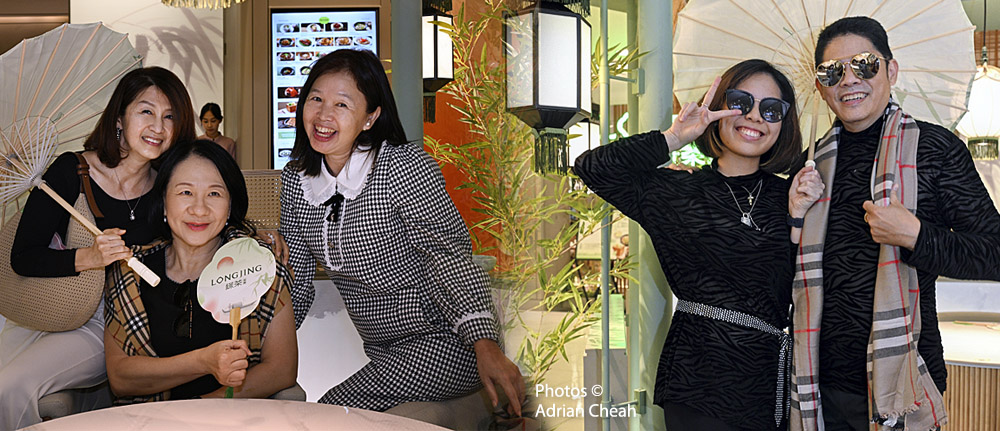
With six at the table, we selected a range of dishes in the hope of sampling the breadth of the menu.
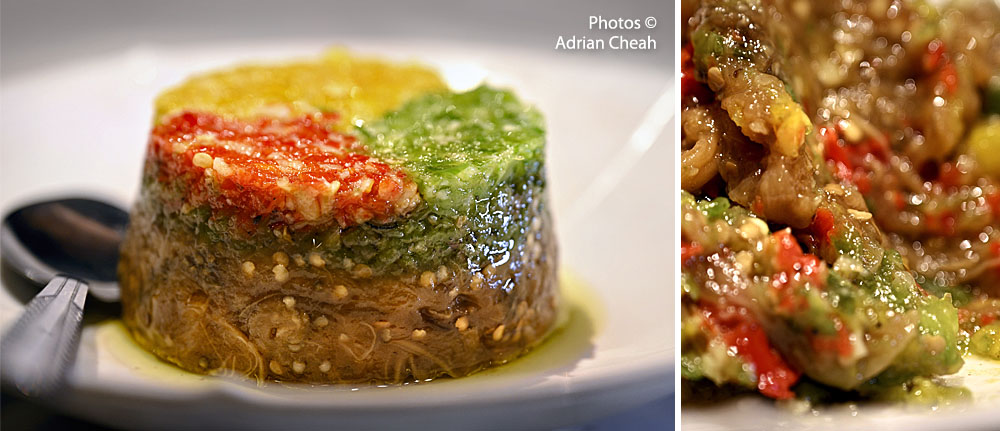
The first dish to arrive at the table was the Hangzhou-style eggplant with sweet peppers (RM18++). Finely minced tri-colour peppers topped the soft, creamy mash of eggplant, adding both colour and contrast. Once mixed through, the distinct flavours of the peppers lifted the mellow depth of the eggplant, coming together in a dish that was simple yet surprisingly good.
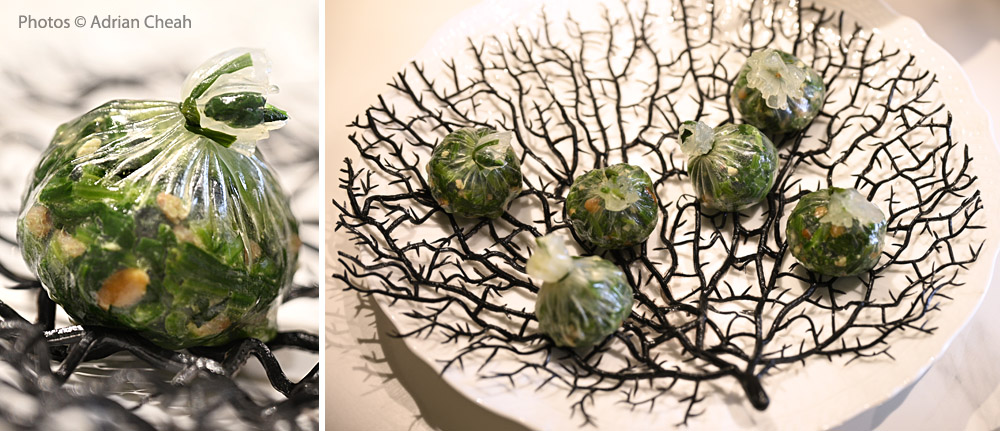
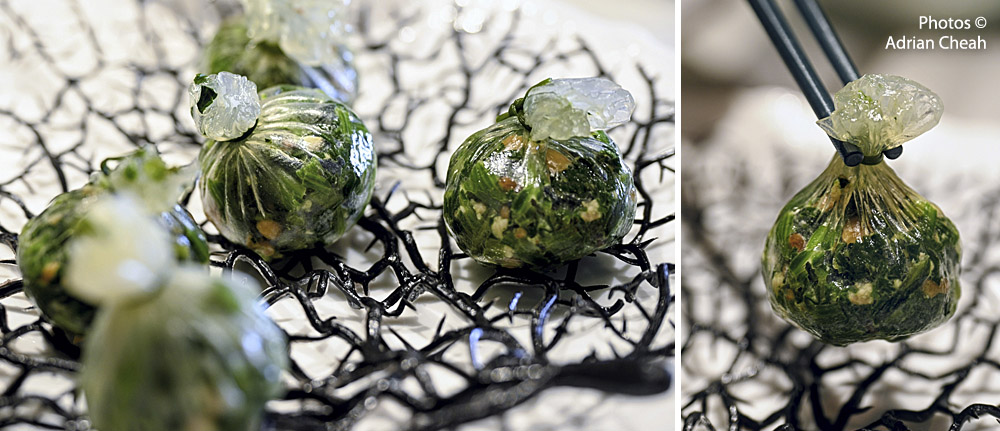
Cystal dumplings packed with wild greens and dried tofu (RM20++) were presented on a striking plate, decorated with a three-dimensional lattice of black branches. Six translucent, jewel-like dumplings rested among the branching forms, their emerald filling visible beneath the glossy skin, each one tied at the top like a small silk pouch. The skin was soft, yielding to a filling that was fresh and earthy. They were gone too soon, with each of us having only one to savour. Reminiscent of our local chai kuih with chive filling, but altogether very different.
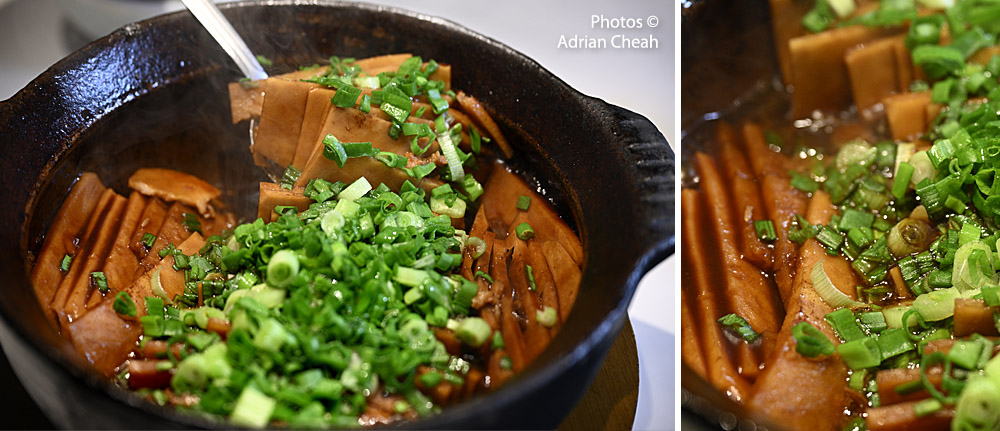
Another dish we had was the signature stewed taro (RM31++), served in a sizzling claypot and finished with a scattering of fresh spring onions. The thin taro slices were soft and easily soaked up the umami-rich soy sauce. We paired it with steamed white rice, which was the perfect way to savour the dish.
I have always stir-fried taro with hae bee (dried shrimp) and five spice powder. Although the flavours are amazing, it often turns into a mushy mess. This is a brilliant way to prepare taro while keeping the slices intact yet tender. Definitely one I would give a go at home.
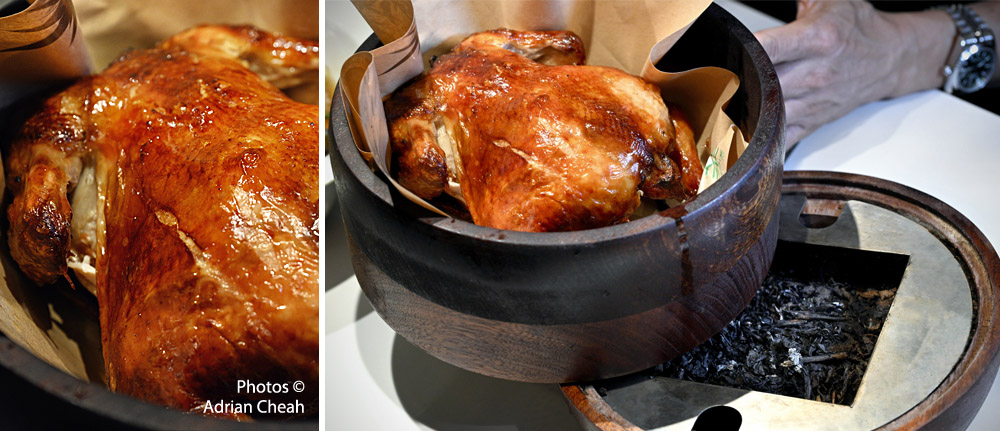
One of the most popular items here has to be the Longjing roast chicken (RM56++), Chef Yu Bin’s signature dish. The chicken arrived whole, its crispy, paper-thin skin was a beautiful mahogany hue. The meat was tender and moist, infused with the aroma of smoked tea leaves. It sat in a wooden bowl with a hidden compartment beneath that housed additional tea leaves, smoking the dish as it was served. For those who enjoy a fiery kick, a duo of condiments was served on the side—a chilli dipping sauce and a chilli flakes mix. Undeniably ho chiak!
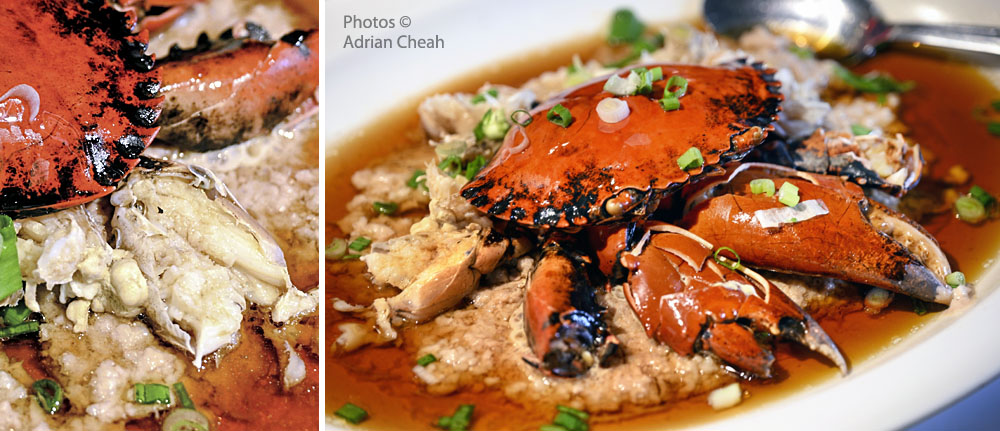
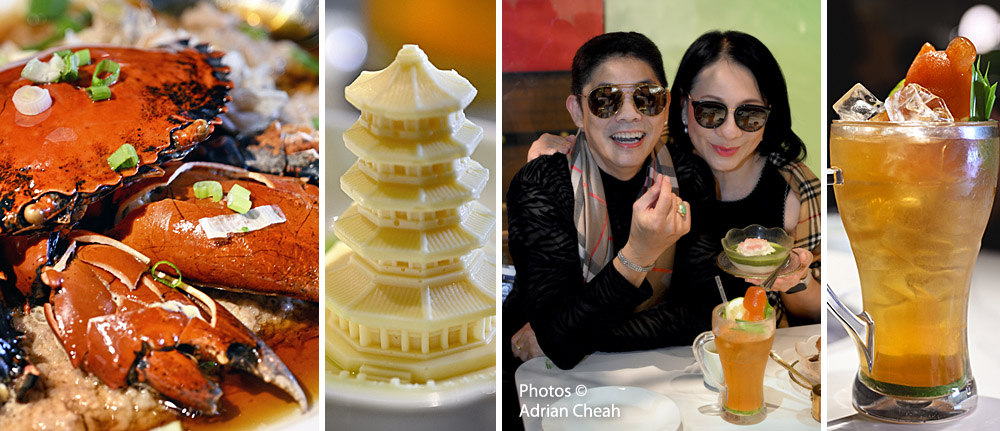
The most expensive item we had that evening was the steamed meat patty with green crab in Shaoxing rice wine (RM77++). The result was a soft, savoury patty where the sweetness of the pork was lifted by the natural brininess of the crab. The juices from both combined with the fragrance of Shaoxing rice wine, forming its comforting and aromatic essence. I have always steamed minced pork with salted egg, but after tasting this refined version, I cannot wait to try recreating it at home.
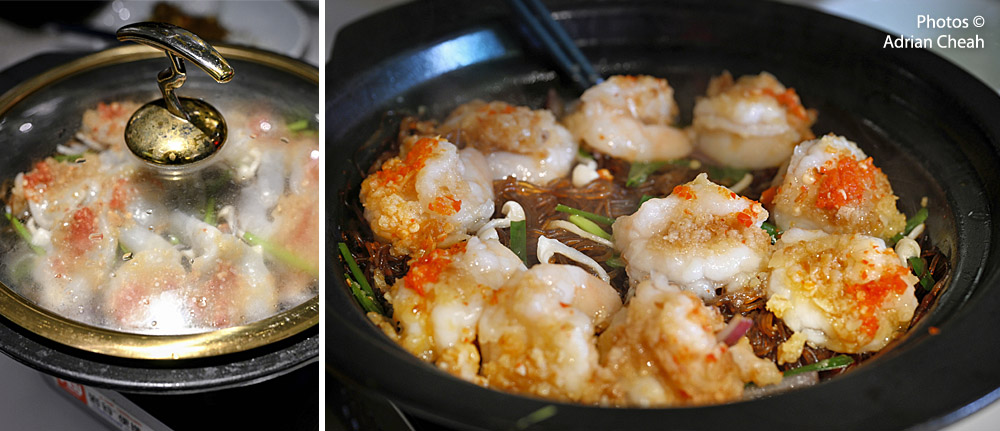
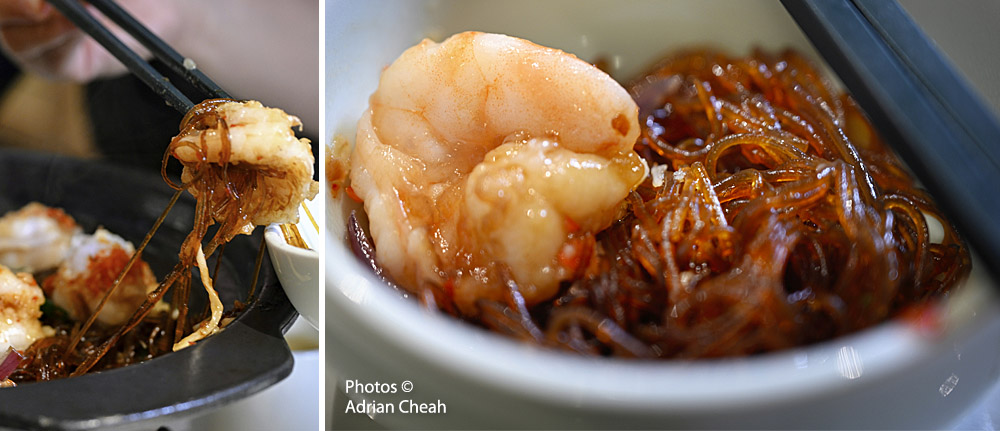
The claypot vermicelli with shrimp (RM43++) was prepared table-side. The shrimp, remarkably fresh and cooked in just five minutes, released their natural sweetness and juiciness into the noodles. The vermicelli was silky yet springy, absorbing the briny sweetness of the seafood and the soy-based broth. Every one of us could not get enough of this scrumptious delight, and it was polished off in no time.
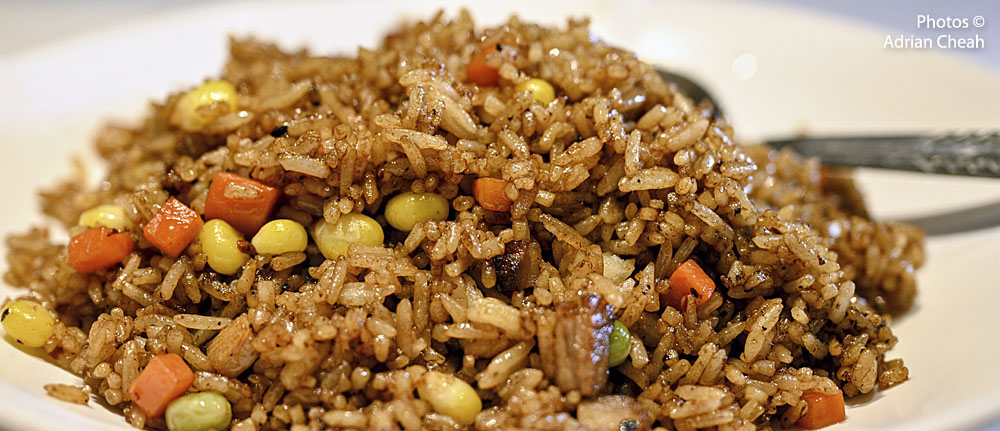
Alongside the steamed rice, we had a plate of fried rice with black truffle and roast pork (RM26++). And yes—my daughter, a huge truffle and siew bak fan, thoroughly enjoyed it. The rice carried a strong truffle aroma, lifted further by the smoky character of wok hei. Note that the portion is good for two, or one if you are a big rice lover.
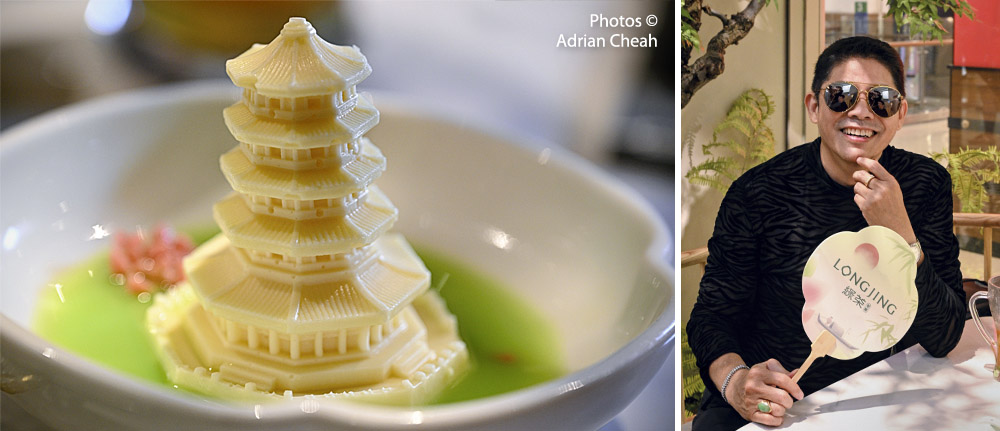
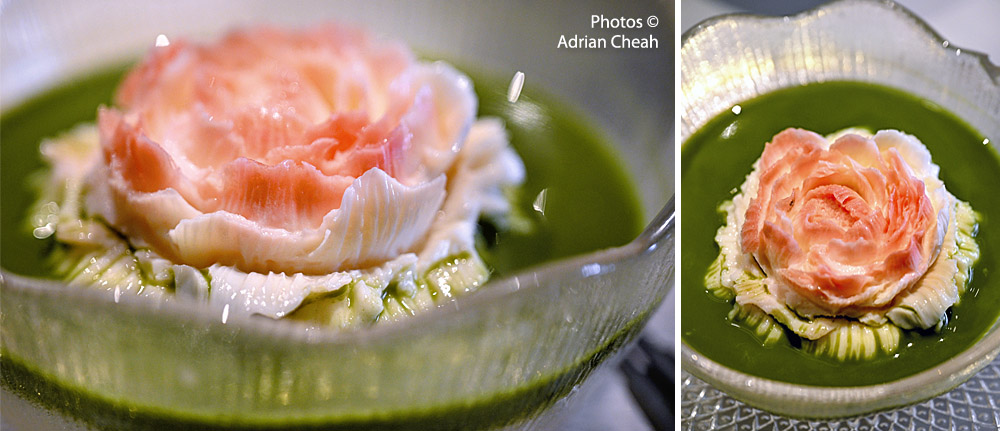
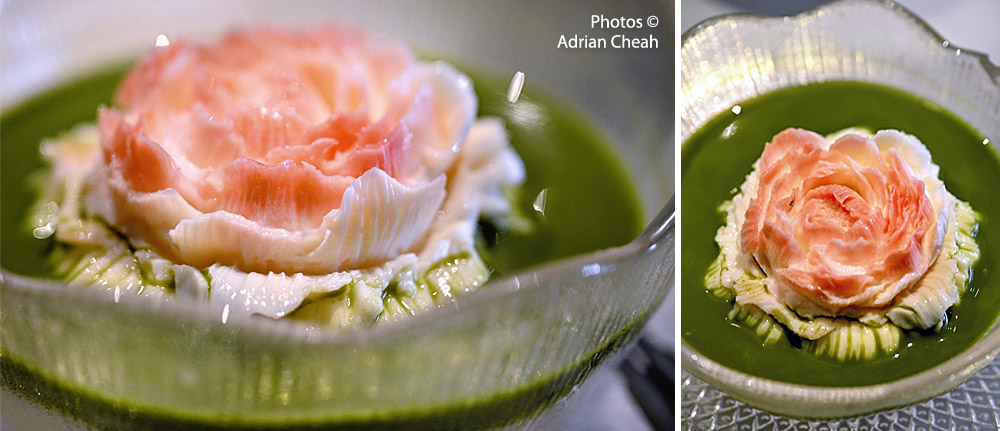
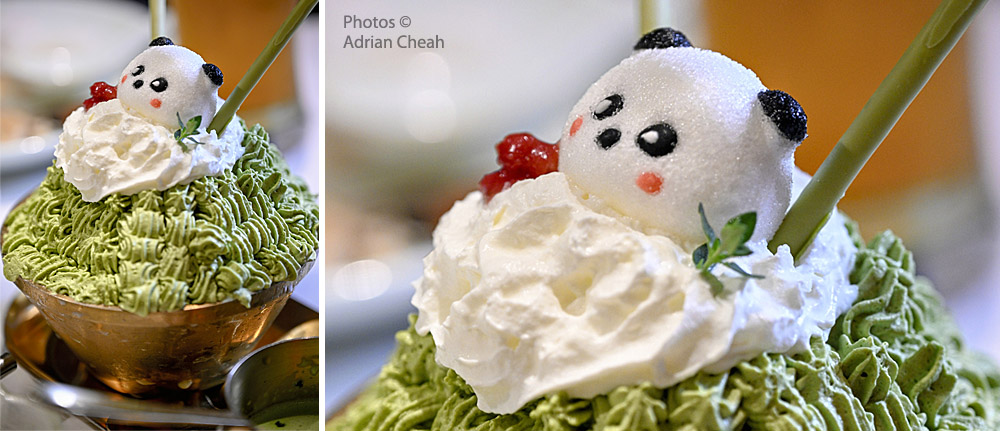
Since the selection of dishes was left to me, I went absolutely crazy with the desserts. I have always been drawn to beautifully presented sweets—I fall in love with them far too easily. My selection included the Leifeng Pagoda with a matcha sauce (RM12++), flower-shaped beancurd pudding with a matcha sauce (RM13++), chocolate-flavoured mushroom pudding with a chocolate sauce (RM13++), and matcha shaved ice (RM23++). Each fabulous-looking offering was equally sedaplicious and I am glad they were not sweetened to the height of coma-inducing.
The edible architecture dessert is inspired by the real Leifeng Pagoda overlooking West Lake in Hangzhou. The original pagoda was built in 975 AD by Qian Chu, the last king of the Wuyue Kingdom, reportedly in celebration of the birth of a son with his consort, Huang Fei. It was later known as the Leifeng Pagoda after Leifeng Hill (Sunset Hill), where it stood. The original structure eventually collapsed in 1924 after centuries of damage and decay, before being rebuilt in 2002 with a modern internal structure while preserving its historic form.
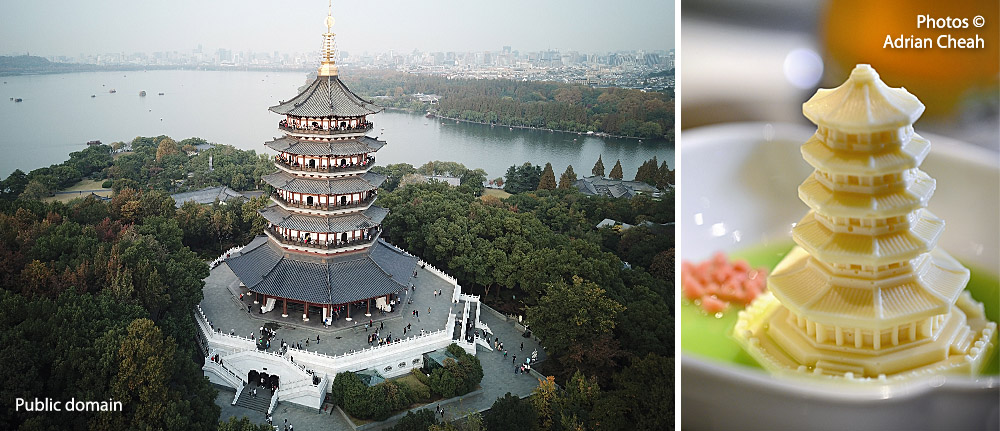
Interestingly, its famous association with the Legend of the White Snake was not part of the earliest versions of the tale. The connection developed gradually in later retellings, particularly through Ming and Qing dynasty storytelling traditions, which anchored the folklore to real West Lake landmarks. Over time, the story was further popularised and standardised through Chinese opera, stage performances and films, firmly embedding Leifeng Pagoda into the narrative, transforming it into a widely recognised symbol in Chinese cultural storytelling.
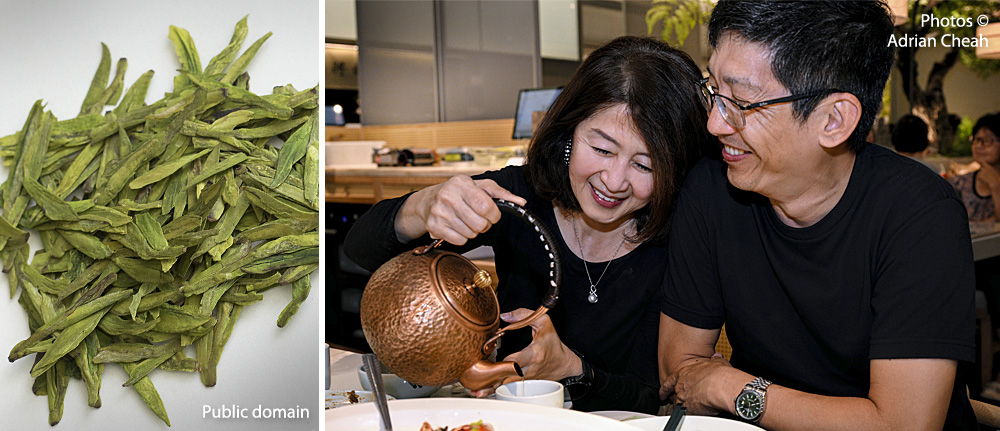
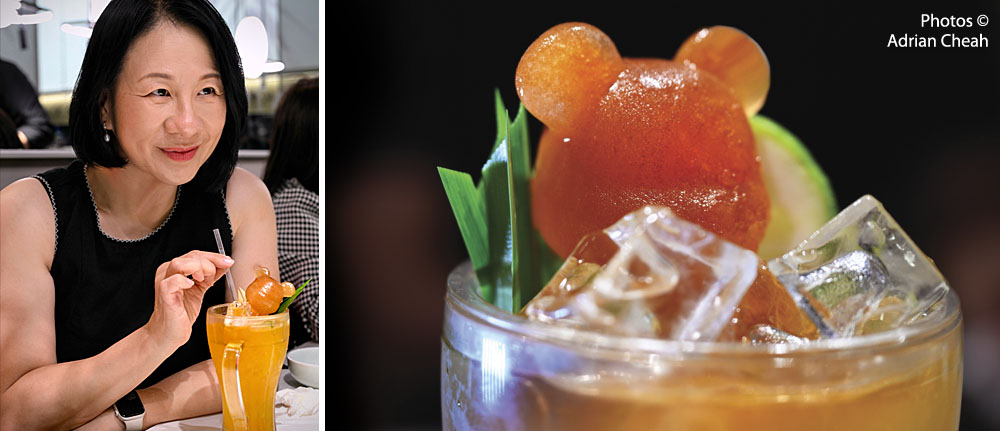
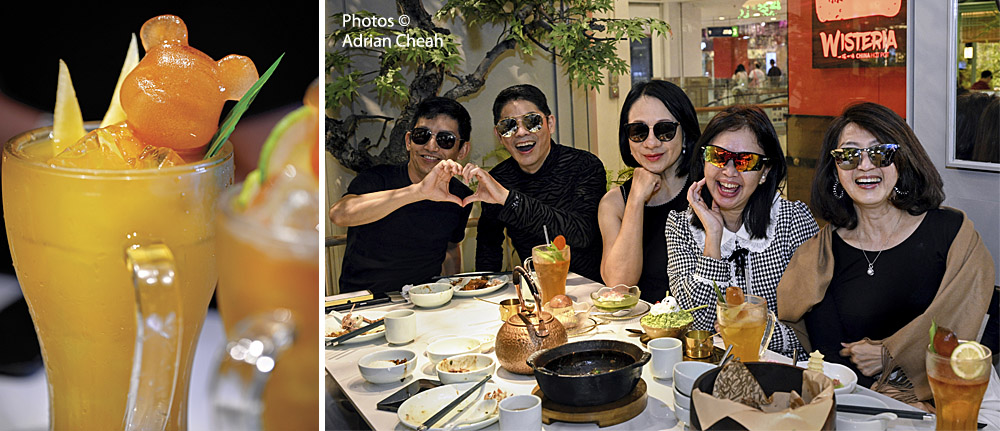
For drinks, we shared a pot of Longjing green tea (RM11++), one of China’s most celebrated teas that accompanied us throughout the meal. It offered a clean, soothing character with a delicate chestnut aroma and gentle sweetness, helping to cleanse and recalibrate the palate between dishes. We could not resist the chilled Longjing Lemon Tea (RM11++) and Pineapple Lemon Tea (RM11++), each garnished with an adorable frozen tea bear. Although the glasses were filled with ice, which gradually diluted the tea, the frozen tea bear made from concentrated tea melted slowly, helping to maintain the drink’s depth and aromatic strength throughout. Ingenious!
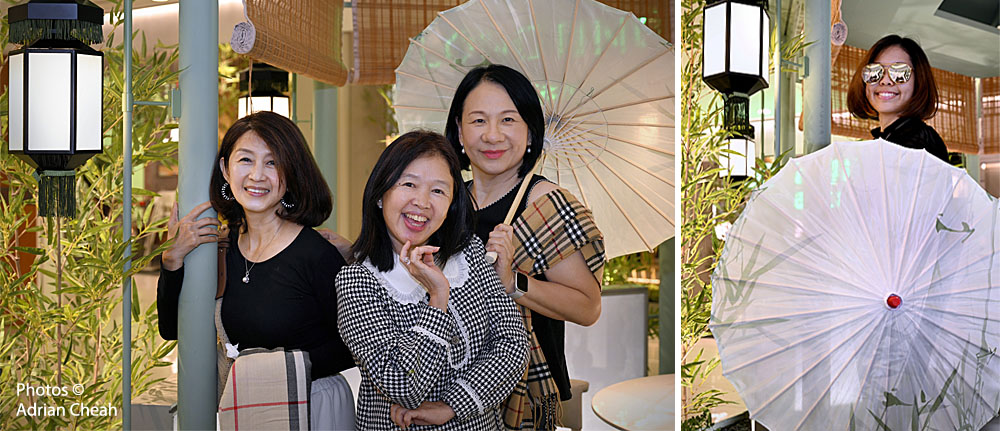
Even with the restaurant packed to the brim with a long queue, service remained efficient and friendly, and the food arrived promptly. I had, of course, made reservations a few days in advance prior to dinner. The décor and overall dining ambience were thoughtfully designed to reflect the restaurant’s theme. This extended to the attire of the manager and staff, crafted from lightweight fabrics that flowed gracefully, as if they were moving on clouds.
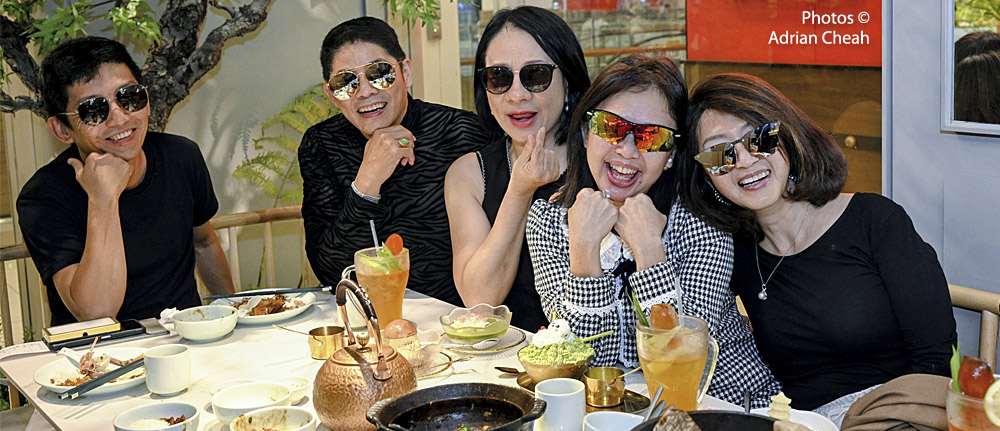
Would my grandfather have enjoyed this dinner as much as we did? There is something quite comforting about dishes like these, deeply rooted in tradition, while remaining familiar even on a first taste. The meal was not “louder” than Nyonya flavours that command attention, just “quieter” in its expression, guided by a slow, deliberate approach and quality ingredients. And perhaps for that very reason, equally enduring.
-------------------------------------
Written and photographed by Adrian Cheah
© All rights reserved
11 April 2026
If you enjoyed this story, you may like to bookmark this site or return for future essays.
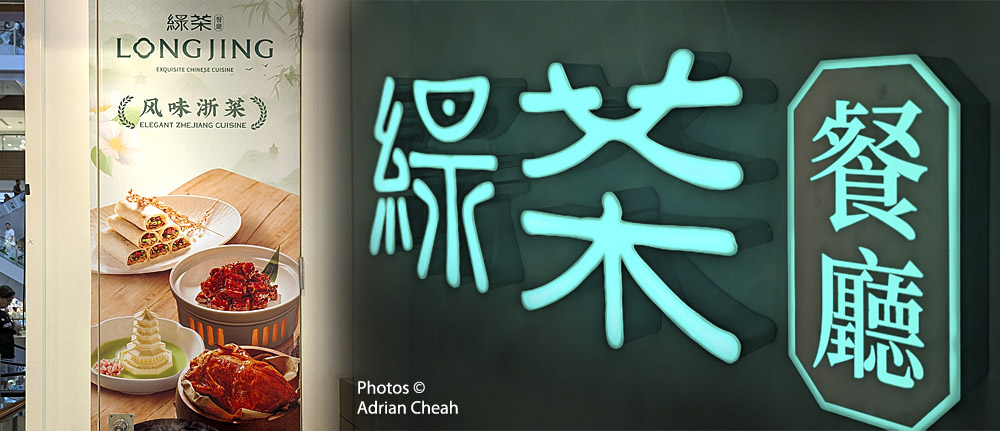
Longjing (Gurney Plaza)
170-03-85/85A Gurney Plaza, Penang
T: +604–271 1996
Open daily: 11 am – 10 pm
Named after the famed Longjing (Dragon Well) tea of Hangzhou, the brand was founded in 2008 in the Longjing Tea Garden by West Lake. It now operates over 500 directly managed outlets worldwide (as of November 2025). Longjing Malaysia continues its exclusive culinary collaboration with Michelin-starred Chef Master Yu Bin, a renowned figure in Chinese gastronomy who has helmed multiple Michelin and Black Pearl restaurants. As the recipient of the Chinese Gold Chef Award, Yu’s mastery lies in balancing delicate Jiangnan techniques with inventive modern interpretations, offering dishes that highlight the delicate, fresh and nuanced essence of authentic Zhejiang cuisine.