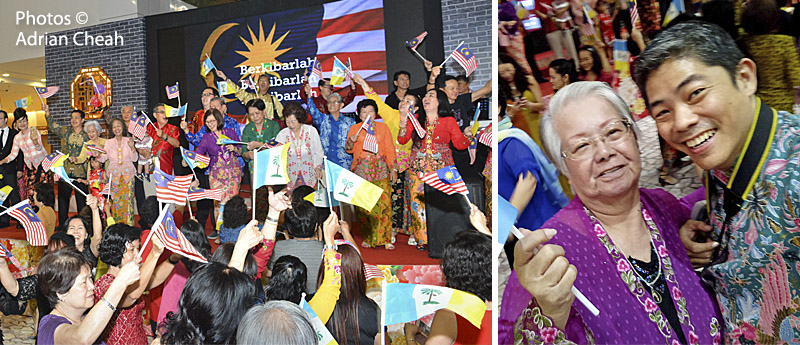
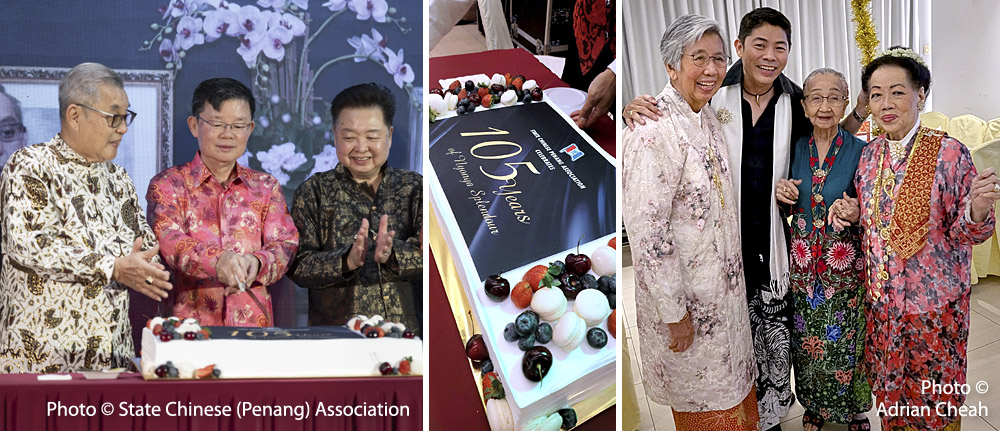
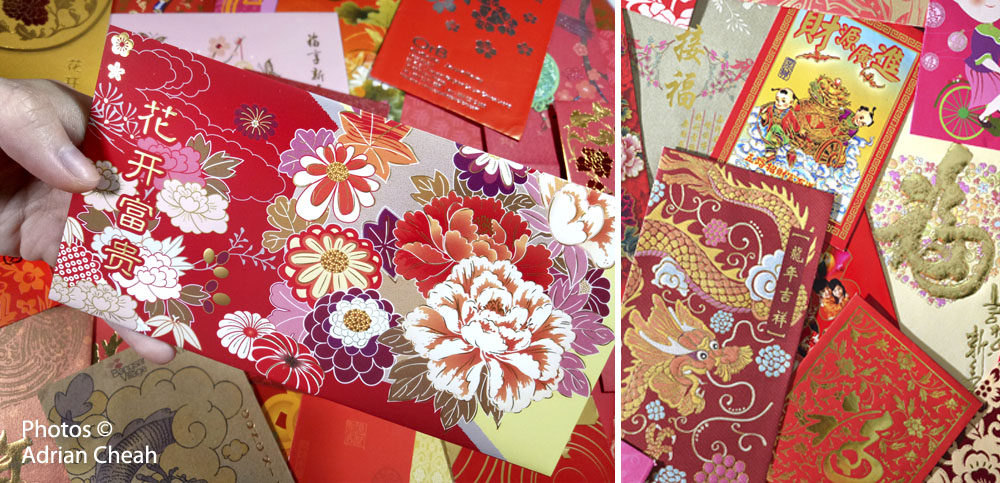
Malaysians – unique and united
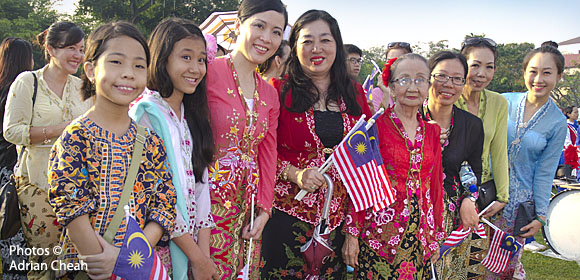
"The melting pot or mixing bowl images do not provide an adequate picture of Penang. The kaleidoscope, with its shifting patterns of colourful pieces, overlapping sometimes to make new shapes, some larger in one frame and smaller in others, offers a better metaphor for Penang's multi-ethnic population and its changes over time." – Sarnia Hayes Hoyt Old Penang 1991
Continue Reading
16 September 1963 – A Nation is Born

On the historic midnight of 16 September 1963, a profound and unforgettable chapter in our nation's story began. The birth of Malaysia was more than just a political achievement; it was the realisation of the hopes, dreams, and determination of millions across the land. From the joyful streets of Penang and the colourful festivities in Sabah and Sarawak, to the symbolic ceremonies in Singapore, we stood united in the spirit of brotherhood, ready to embrace a shared destiny.
In the words of our beloved Bapa Malaysia, Tengku Abdul Rahman Al-Haj, "we have come together through our own free will and desire in the true spirit of brotherhood and love of freedom." Let us take a step back in time and read about this historic moment published in The Straits Times on Monday, 16 September 1963.
Continue Reading
Proclamation Of Malaysia, The Nation's Very Own "Birth Certificate"
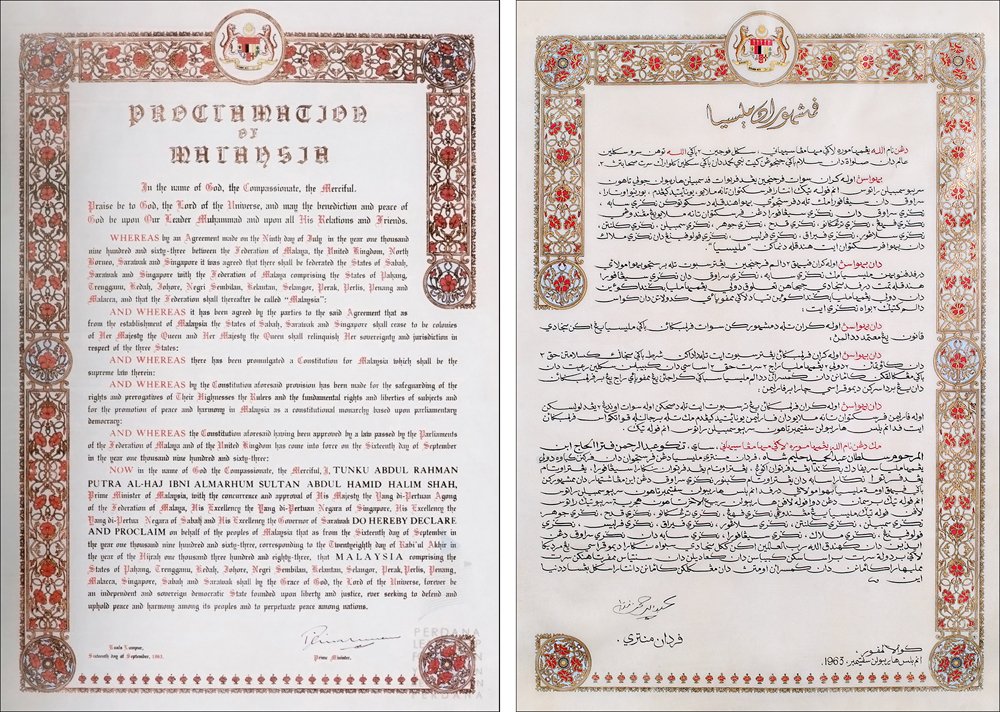
On 16 September 1963, Malaysia was born as a new federation, bringing together the Federation of Malaya, Sabah, Sarawak and Singapore. According to Arkib Negara Malaysia, the Malaysia proclamation ceremony was held at Stadium Merdeka, Kuala Lumpur, on 16 September 1963, where Tunku Abdul Rahman Putra read the proclamation before more than 30,000 people.
Continue Reading
Penang's Cina Wayang (Chinese opera) – for gods and ghosts

Growing up in Ayer Itam in the 1970s was like being part of a celebration that never truly ended. The wet market was the heart of our lives, a place where food was abundant, varied and, to my young palate, simply sedaplicious. We carried our own tiffin carriers, sometimes even our own eggs, to hand over to the char koay kak lady or to Pak Dollah, the mee goreng man. They accepted them without fuss. That was how we Penangites are—prudent, practical and never wasteful.
Continue Reading
"Looking After the Ashes" – unravelling the enigmatic Chinese Peranakan world of taboos and traditions

I have always stayed away from horror stories, particularly those that announce their intentions with blood and gore splashed across the cover. We are told never to judge a book by its cover. However, after more than three decades as an art director, I have always believed that a cover has a responsibility. It must set the tone, stir curiosity and, ultimately, invite the reader in.
Continue Reading
Jalur Gemilang – the stripes of glory

Behind the simple and slightly derivative design, the Malaysian flag has, since its creation, served as a silent testament to the country's heritage and cultural mix, and upholding cherished values like freedom and justice.
Continue Reading
Nyonya kasut manek (beaded shoes) – timeless objects of beauty

English influence
The British presence in the three Straits Settlement states had a profound influence on Peranakan culture. Suddenly, the hitherto unknown suits and skirts became à la mode for men and women respectively.
Western techniques also influenced the art and craft of fashioning Peranakan footwear. The style of embroidery, for example, once influenced by the Malays was in turn influenced by Western culture. The fine beadwork for shoes with which the Nyonya is identified is a comparatively recent invention from 19th century Britain and Continental Europe.
Continue Reading
The story behind the universal stripes of the Buddhist flag

The Buddhist flag is a common sight in Buddhist communities today, often seen hanging from temple ceilings or columns indoors, or flying high from flagpoles.
Continue Reading
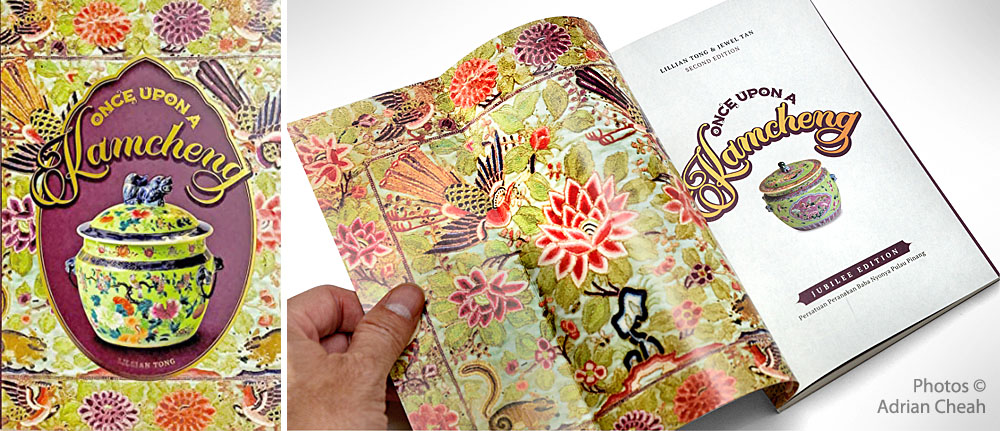
Book review: Once Upon A Kamcheng
Lillian Tong and Jewel Tan
Preface
This book is an anthology of Penang Straits Chinese Baba Nyonya memoirs, biographies, and collected stories. The compilation was inspired by life growing up in a Baba Nyonya home and the stories told to me by my mother, Tan Chooi Bee, and my friends. Beyond the nostalgia of resplendent gold and gilded lattice screens and gracious living are behind the scenes expose bothering on the ridiculous to the tragic, where antics, escapes, indulgences and misadventure reign.
Lillian Tong
Continue Reading
The 32nd International Baba Nyonya Convention in Malacca

Sadhguru (Jaggi Vasudev), an influential yogi cautioned that the more we identify with something – religion, gender, race, ideology, money, et cetera – the more we will defend it, some even with our lives. Having said that, most of us feel the need to identify with things we hold dear, be it our family, heritage or even our social media status.
Continue Reading