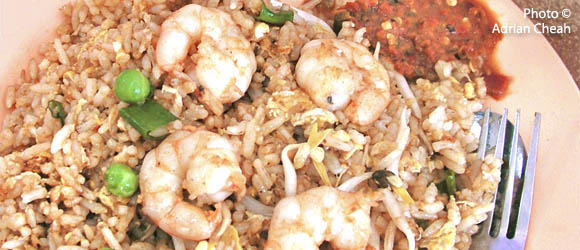
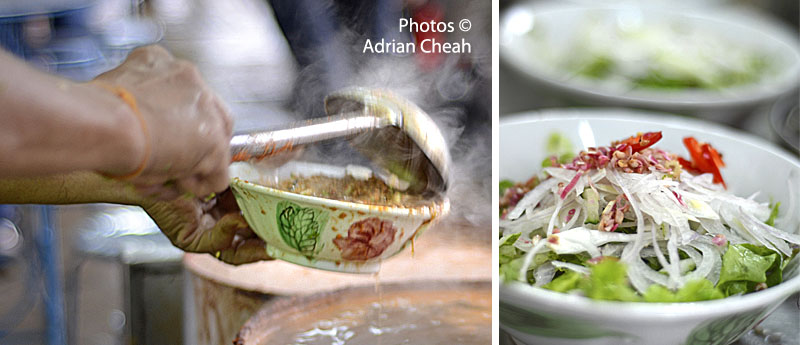
Sutera Restaurant's oriental offerings take flight

When you witness the beginning of a new venture, it is with optimism. Success will follow suit if everything is organised well and executed to the best of one's abilities.
The launch of Sutera Restaurant holds great potential with a winning menu, scrumptious offerings and eye-arresting presentations. The conducive dining deco even has a beautiful mural of a larger-than-life peacock perch on a branch overlooking its diners.
Continue Reading
The Tamarra takes off this Ramadan
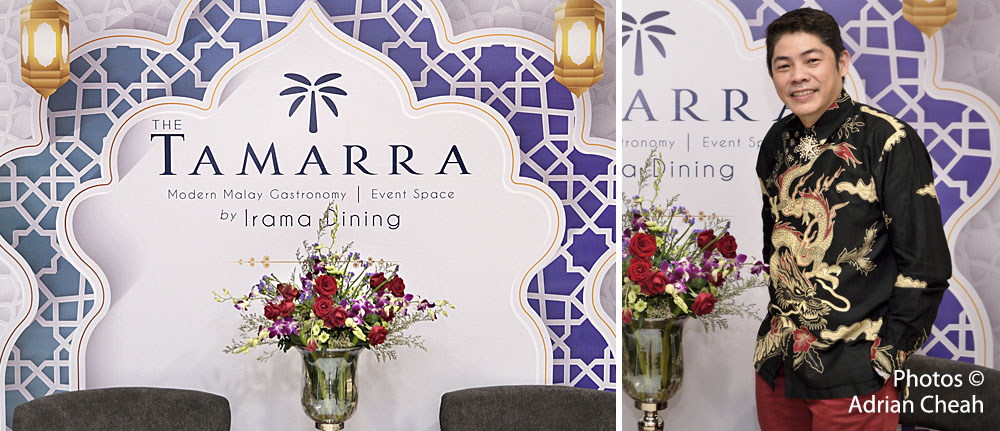
The Tamarra is the latest addition to Shad Kamarulzaman's string of restaurants which include Irama Dining, Sutera and Lagenda Cafe. Not resting on his laurels, he brings yet another inspiring dining destination to Penang, this time serving modern Malay gastronomy. However, for the month of Ramadan, The Tamarra is proud to present "Senandung Rasa by the Sea".
Continue Reading
An insight into tradition, taste and timelessness of Lemang
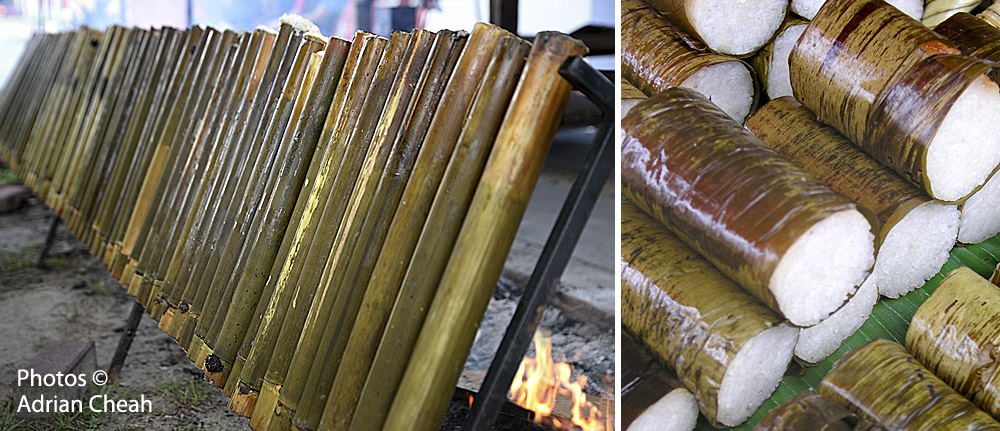
Lemang is available throughout the year in Penang and across Malaysia, yet it holds a special place during Hari Raya Aidilfitri (Eid al-Fitr) and Hari Raya Aidiladha (Eid al-Adha). Although the ingredients are simple, cooking lemang is labour-intensive and requires an open fire and a well-ventilated space. For this reason, many people prefer to buy it rather than cook it themselves.
Continue Reading
Make your own ketupat daun palas
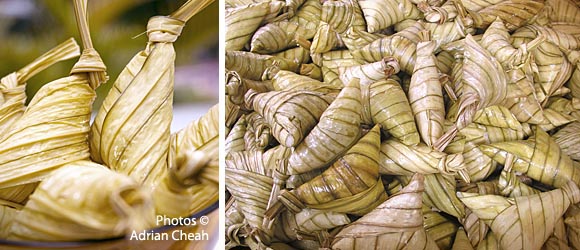
The most popular types of ketupat found in Malaysia are ketupat nasi (made with plain rice) and ketupat daun palas (made with glutinous rice). While both varieties are wrapped in palm leaves and then boiled, they use different types of leaves: ketupat nasi is typically wrapped in young coconut leaves (daun kelapa muda), whereas ketupat daun palas is enclosed in Licuala palm leaves (daun palas). It is said that ketupat daun palas originated from the northern states—Penang, Kedah and Perlis—while ketupat nasi is more popular in Perak.
Continue Reading
My unforgettable birthday dinner at The Tamarra
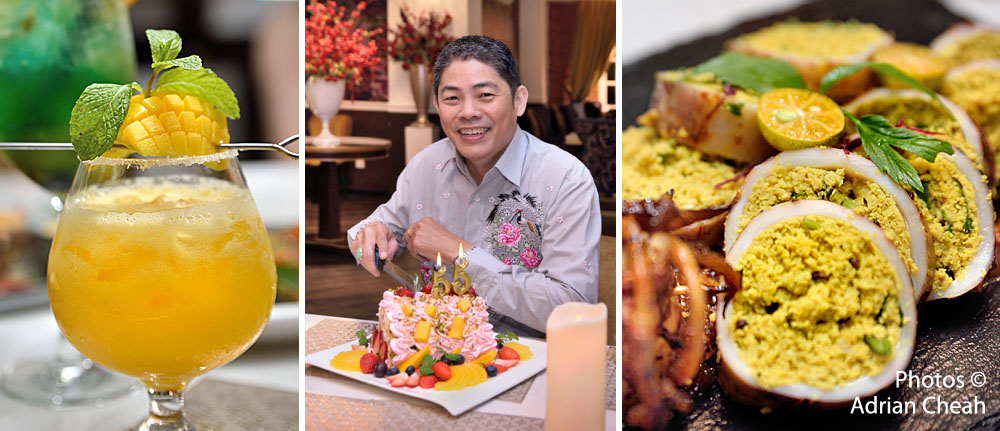
I turned 55 this year, travelled 55 times around the sun, clocking a distance of 8,228 million kilometres. Although moving at breakneck speed of 1,670 kilometres per hour through space, my precious life on earth seems to crawl at a much slower pace.
I look up at the night starry sky and marvel at the millions of miles I have travelled across the universe. I close my eyes and look within and marvel as well at more than half a century of wisdom and experience I have encountered. I am truly blessed!
Continue Reading
Senandung Rasa by the Sea at The Tamarra – a Ramadan feast for all

"Senandung Rasa by the Sea" at The Tamarra returns this Ramadan for an indulgent celebration filled with a lavish spread of modern Malay gastronomic delights. For an experience unlike any other, get ready to explore hearty yet nostalgic flavours of the Malay archipelago. Highlights from the extensive buffet spread include Kambing Golek (spit-roasted lamb), Nasi Kerabu Udang Lagenda (mixed herbal rice) and Gulai Ketam Nenas Tok Ma (flower crab curry) as well as live action stalls and a spread of over 100 items, not to mention a colourful ensemble of tempting desserts.
Continue Reading
Nostalgic Delights: A Seaside Ramadhan Buffet at The Tamarra
Come, come, whoever you are.
Wanderer, worshiper, lover of leaving.
It doesn't matter.
Ours is not a caravan of despair.
Come, even if you have broken your vow a thousand times.
Come, yet again, come, come.
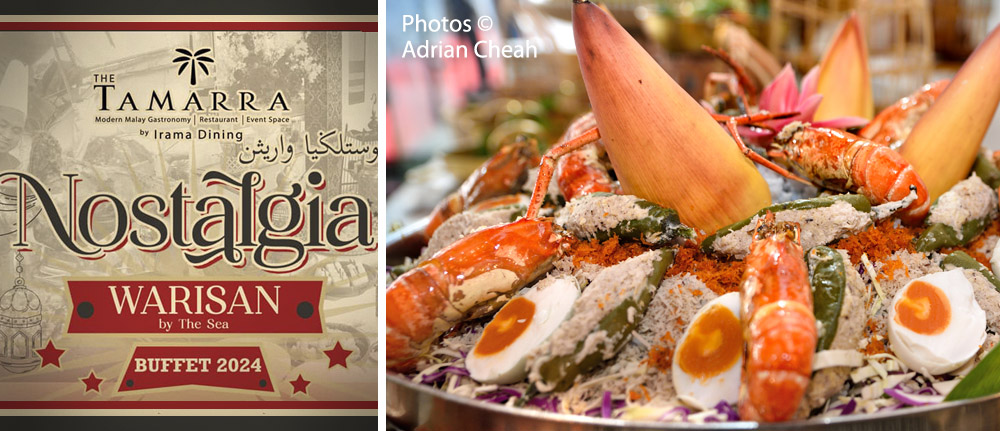
In the spirit of these timeless words by the revered poet Rumi embraces all who seek warmth, hospitality and inclusivity. Likewise, The Tamarra extends its arms wide to welcome you. Here, within the embrace of its Ramadhan buffet – "Nostalgia Warisan by The Sea", every dish, every aroma, every shared moment around the table, holds within it a tale of love, heritage and cherished memories waiting to be uncovered. As you step into the award-winning restaurant, you are invited to embark on a nostalgic culinary journey amidst the comforting embrace of tradition.
Continue Reading
Luffa by Irama Dining, Penang's new dining gem at The Leith Hotel

I am thrilled to share my thoughts on Luffa, a new gem nestled within the elegant setting of The Leith Hotel, located directly across from Penang's iconic Cheong Fatt Tze Mansion. Co-owned by the Irama Dining Group, The Leith Hotel reflects the same dedication to excellence that has become synonymous with the group.
Continue Reading
Kak Ayu’s Quallys Syok Segarnya – a culinary love letter to all

Quallys Syok Segarnya is more than just a restaurant – it is a love letter to Malaysia’s culinary heritage. It embraces the simplicity of fresh ingredients and deep-rooted cooking tradition while adapting to the evolving tastes of today’s diners. Here, the essence of "masakan kampung" (traditional Malay village cooking) shines through, bringing rich, "sedaplicious" flavours to every dish. Malay cuisine, with its harmonious blend of spices, herbs and regional influences, revolves around rice – served with curries, sambal, seafood and meats. It is often enjoyed by hand for an authentic, finger-licking-good experience. At the heart of Quallys is Yusniza Ayu Yusoff, fondly known as Kak Ayu, whose warm, heartfelt approach captures the true spirit of cooking with love.
Continue Reading
Raikan Rasa at The Tamarra – a seaside Ramadhan buffet like no other

Bayu Nusantara berbisik rindu,
Aroma dapur menjemput pulang,
Hidangan Tamarra kasih bersatu,
Raikan Rasa kenangan gemilang.
How do I gather the right words to capture a feeling so intrinsic, a memory so deep-rooted – one stirred awake and propelled forward through a dining adventure at Tamarra? An experience woven from taste and time, where every flavour carries echoes of the past, every aroma rekindles longing and every bite whispers love. Even after the final spoonful, after the last note of Getaran Jiwa fades, after the cool sea breeze traces its farewell across my face – the night lingers, golden and etched upon the heart.
Continue Reading