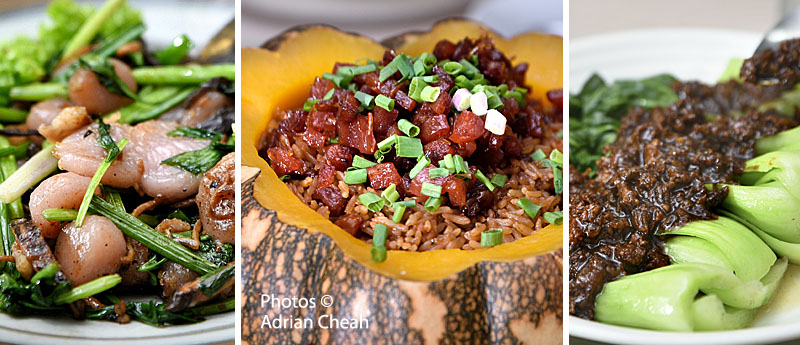
Taste and tradition reimagined at T Palace Modern Cuisine

"Life is a grand adventure, or it is nothing." – Helen Keller.
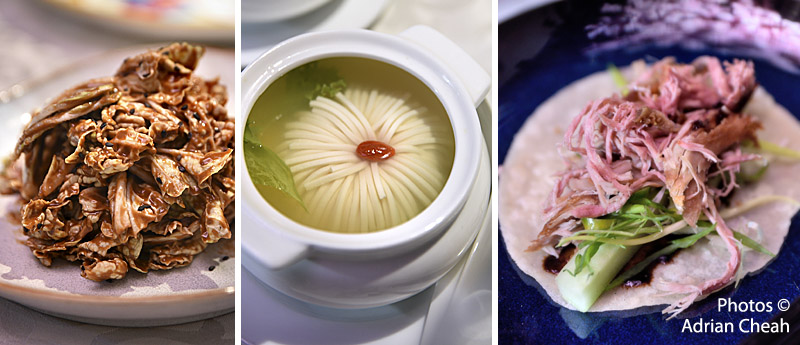
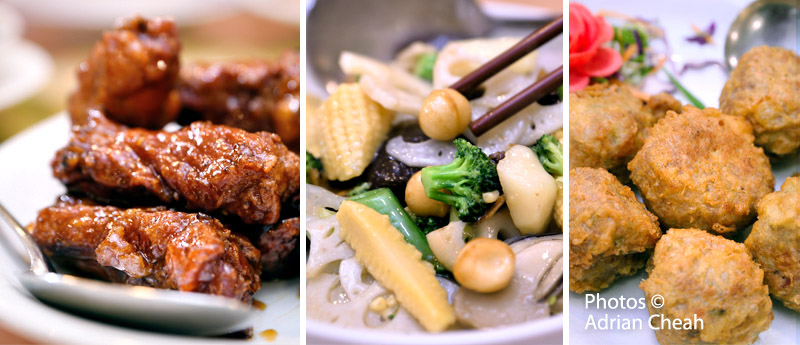
At T Palace Modern Cuisine, the rich legacy of Chinese cuisine unfolds with an avant-garde flair, a culinary haven where tradition coalesces with innovation, and familiar and new flavours intertwine in a symphony of taste. Impeccable quality and daring offerings breathe new life into classic recipes, each dish a visual and gastronomic revelation. Crafted by a creative team of talented chefs, my friends and I discovered this hidden gem, this banquet of delights, in Bukit Mertajam, Penang.
Continue Reading
Flavours of tradition: the timeless charm of Madam Tan’s Hailam Char

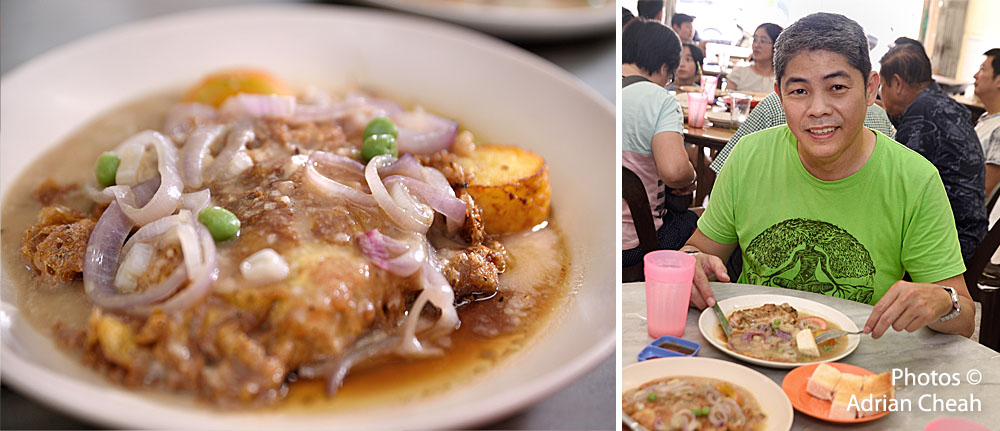
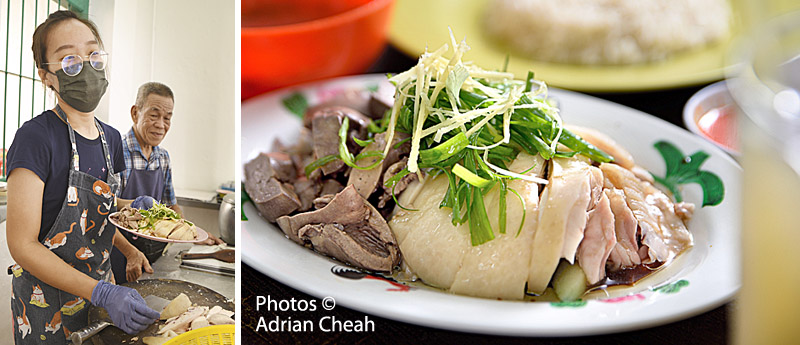
Tucked at the back of Jelutong Sunshine Kopitiam is an unassuming noodle stall run by the ever-friendly Madam Tan Saw Guat and her daughter. Here, they serve up a humble yet heart-warming dish – Hailam Char (Hainanese stir-fried noodles) – that is as comforting as it is delicious, a true taste of nostalgia for anyone who appreciates authentic flavours.
Continue Reading
Wu Wei Tea – What a tea-tillating scoop!

Located at one of the charming heritage shophouses at 31, Lorong Prangin, Wu Wei Tea offers creamy and smooth tea-based ice creams as well as handcrafted brews. Its ice cream flavours are divided into three main categories – tea-based, nut-based and fruit-based, allowing patrons to explore a variety of refreshing options. This unconventional tea house has found a way to marry the timeless elegance of tea with the playful delight of ice cream – an unexpected, yet harmonious combination.
Continue Reading
The smoky, savoury and succulent goodness of traditional bak kwa

Bak kwa, Hokkien for dried pork jerky, is one of the most beloved snacks during Chinese New Year and it is almost a crime not to have this truly "ho chiak" snack in your home all through the festive season. As the season approaches, roadside stalls across Penang pop up like mushrooms after a rainy day, offering not just bak kwa but also hampers, festive cookies and kam (mandarin oranges).
Continue Reading
Join the club – a true taste of Teochew tradition

In the heart of Pulau Tikus, where the rhythms of Penang’s past still echo through its streets, there is a place where nostalgia simmers gently over a pot of moi (plain white rice porridge). The Teochew Club, the brainchild of Chef Su Kim Hock, is more than just a late-night eatery – it is a love letter to tradition, a quiet homage to the generations of Teochew immigrants who arrived on the shores of Penang in search of a better life.
Continue Reading
Of Birthdays, Ribs, and Good Ol’ Friends at Wu Jia
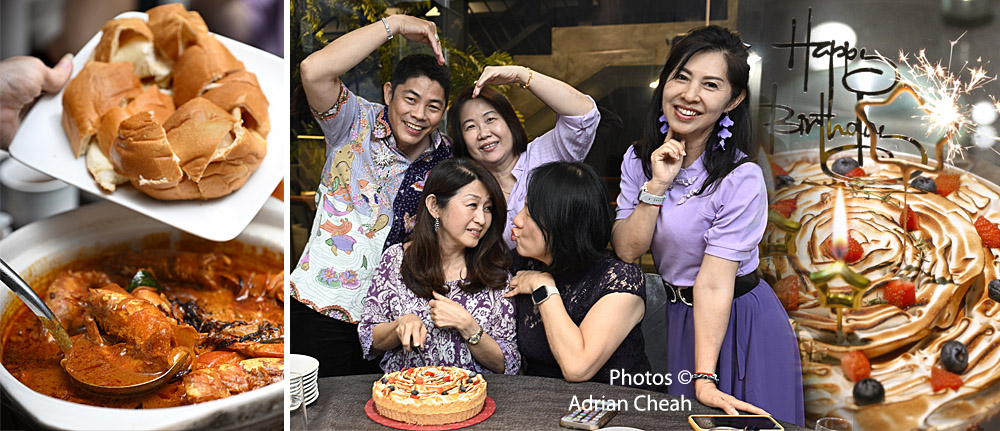
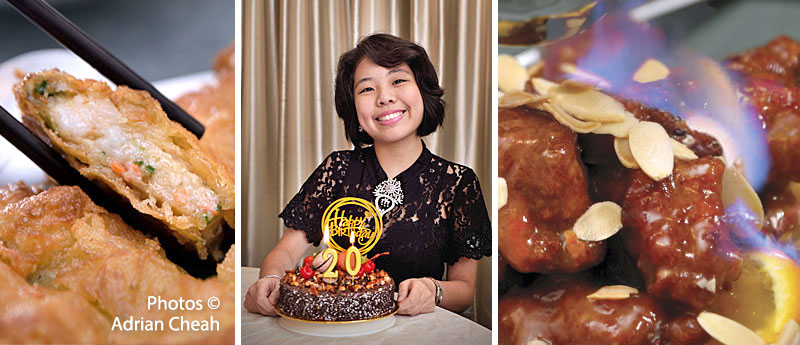
A group of ex-classmates gathered at Wu Jia Chinese Restaurant in Pekaka Square to celebrate a dear friend’s birthday. What began as a simple dinner soon became a reminder of how good company can turn an ordinary evening into something memorable. I had curated eight delectable dishes, a feast that promised variety, flavour and texture. For a table of ten, it was a meal to be enjoyed at an unhurried pace, filled with laughter and easy conversation. After all, good food, like good friendship, is meant to be shared.
Continue Reading
Ti Kuih to sweeten the words of the Gods
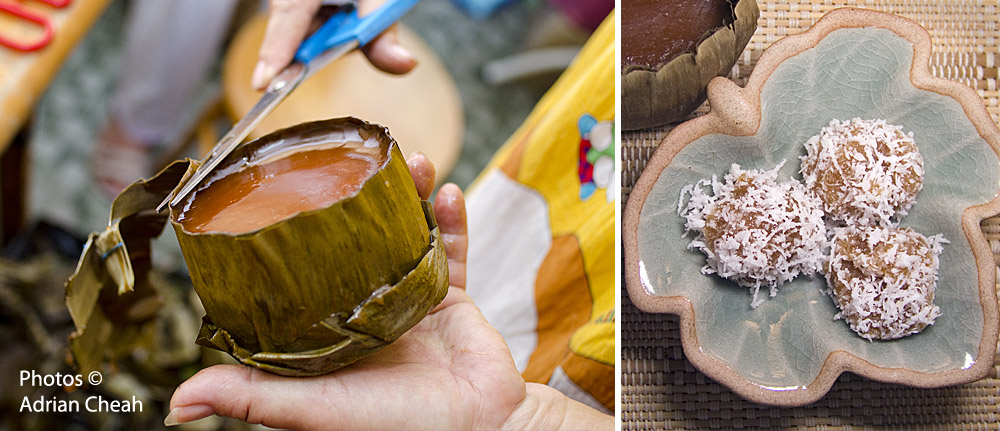
Ti kuih (or tnee kuih), the sweet, sticky rice cake prepared for the Lunar New Year, is known in Mandarin as "nian gao", literally meaning “year cake”. The name carries an auspicious homophone, symbolising "rising abundance" or "prosperity for the coming year".
Continue Reading
A 6-course set at Wu Jia where size matters, especially the abalone and prawns
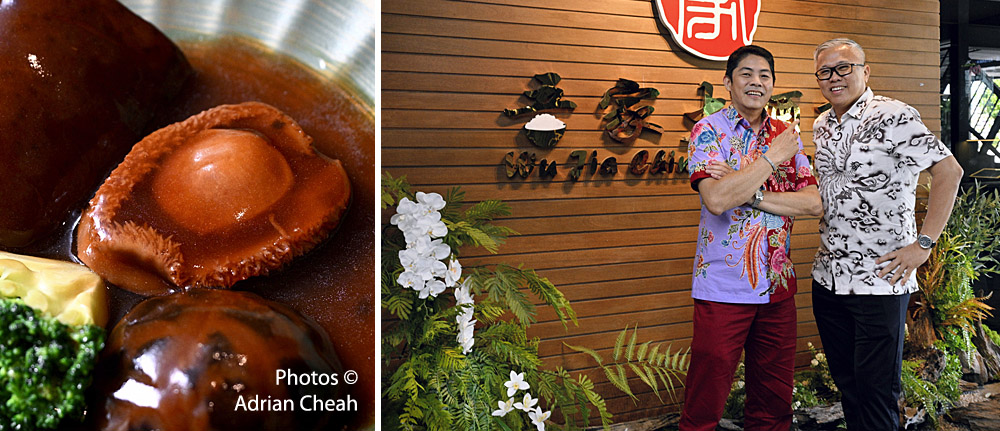
Do you know that eating a meal with someone can actually be good for your health, and maybe even your longevity?
Most of us think of food as fuel or indulgence, but research tells a deeper story. Dr Will Bulsiewicz, a leading gut health expert, explains that sharing a meal reduces loneliness and stress, which in turn supports gut health; and chronic loneliness can harm health as much as smoking cigarettes. (The Diary of a CEO, 2026) Similarly, studies show that communal meals release oxytocin and endorphins, strengthen social bonds, lower cortisol, and improve mood and overall wellbeing. (National Geographic, 2023)
Continue Reading
A Taste of Unity: Kuih Ee and the Winter Solstice Festival

Traditionally, Kuih Ee graces special occasions such as weddings, symbolising longevity in the couple's partnership and the Winter Solstice Festival (known as "Tung Chek" in Hokkien), celebrated between 21–23 December, approximately a month before the Chinese New Year. In its popular local version, the vibrant-looking Kuih Ee features brightly coloured glutinous rice balls poached in sweet ginger-flavoured syrup.
Continue Reading
Da Shu Xia Seafood House – sumptuous and fresh seafood in Penang
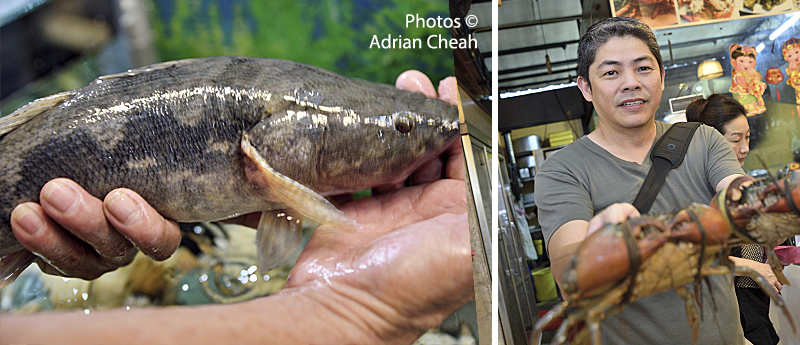
Penangites just want it all – fresh seafood, delicious flavours, beautiful presentations, a cosy ambiance, great service and above all, cheap prices!
Continue Reading